Dyan Cannon: A Journey Through The Life And Career Of A Hollywood Icon
Dyan Cannon: A Journey Through The Life And Career Of A Hollywood Icon
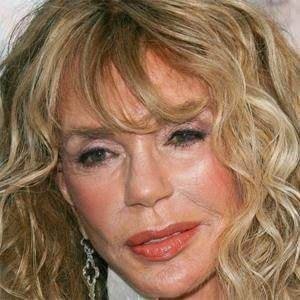
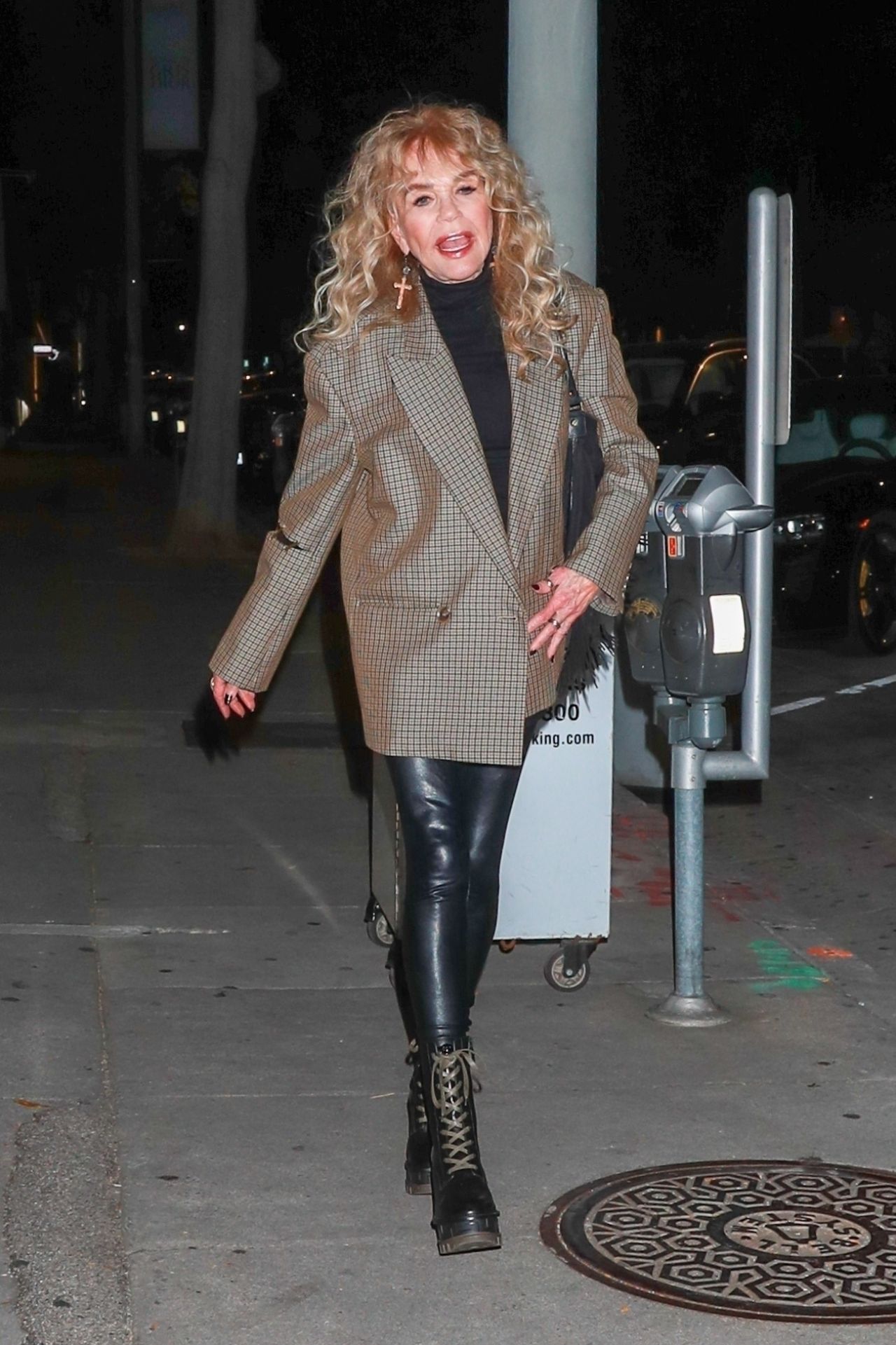
Dyan Cannon emerged as one of Hollywood’s most compelling, uncompromising talents—not just for her striking presence on screen, but for the fiercely independent path she carved in an industry built to confine: a woman who refused to fade into the background. Her career spans over five decades, marked by bold choices, masterful performances, and a rare authenticity that elevated both film and feminism. From her breakout roles in the late 1960s to her later work, Cannon has embodied resilience, vulnerability, and a relentless commitment to artistic integrity—proving that true stardom is built not on image, but on substance.
Born Dyan Elizabeth Cannon on March 29, 1945, in Sacramento, California, she was embraced early by Hollywood’s magic. At just 17, she appeared in *Saturn 3* (1961), but it was her performance in Robert Altman’s *Control* (1967) that signaled her arrival as an actor unafraid of complexity. Cannon’s ability to portray layered emotional depth—often balancing strength with fragility—set her apart in an era when female characters were frequently reduced to stereotypes.
As she once remarked, “Film is about seeing people clearly. If I’m not honest with myself, I’m not serving the story.” This philosophy anchored her entire career.
Rising Through the Ranks: From Object to Icon
Cannon’s breakthrough came not from conventional glamour but from roles that defied expectations.In *The Heartbreakers* (1968), she played a woman caught in emotional turmoil, revealing a nuanced sensitivity rarely afforded to female leads at the time. Her collaboration with Altman deepened—*Nashville* (1975) showcased her ability to inhabit chaotic, authentic lives, earning widespread acclaim. Cannon’s performances were never flashy; they were rooted, revealing truths that resonated far beyond cinematic spectacle.
By the 1980s, Cannon expanded her range beyond drama into comedy, proving her versatility. The 1989 comedy *Beach Parties* and particularly *Single White Female* (1992) highlighted her sharp wit and chameleon-like adaptability. In *Single White Female*, she played Marcia Callier—a charming, manipulative academic whose duality captivated audiences and critics alike.
This role, though controversial, underscored her willingness to confront uncomfortable themes, refusing to conform to public or industry expectations. Yet behind the accolades—including a Golden Globe for *Single White Female* and nominations for her work in *Downfall* (1996) and *The Burning Plain* (2008)—Cannon remained fiercely private. She guarded her personal life fiercely, rejecting invasive media scrutiny in line with a principled resistance to Hollywood’s spotlight culture.
In interviews, she stressed: “I don’t do red carpets for validation. My work is my legacy.”
Champion of Authenticity and Women’s Voices
A defining aspect of Cannon’s legacy lies in her quiet activism. A vocal advocate for gender equity behind the camera, she has championed stories centered on women’s experiences—a rare stance in an industry slow to diversify.Her choice of roles often reflected this commitment: supporting independent films and projects that explored identity, trauma, and resilience. Advancing women’s roles both in front of and behind the lens has been a consistent thread in her life’s work. Cannon also embraced theater, returning to stage work that allowed deeper artistic exploration.
Her stage performances—though less publicized—demonstrated a discipline and emotional range that further enriched her film credibility. This dual presence underscored her heightening artistic maturity, bridging live comedy and cinematic intensity with equal power. Critics have noted her underrated depth, observing that Cannon’s best work lies in nuance: “She doesn’t announce greatness—she delivers it quietly, reliably, and with precision.” This understated mastery defined her filmography, contrasting sharply with the era’s prevailing sensationalism.
Personal Strength and Professional Resilience
Offscreen, Cannon’s life mirrored the complexity of her on-screen personas. Raised largely by a single mother, she navigated early career challenges with a steely resolve. Her marriage to actor Harry Dean Stanton (1975–1984) blended personal intimacy with professional collaboration, each supporting the other’s craft without fading into the background of fame.Later relationships remained private, reinforcing her boundary-setting stance. Health challenges emerged in the 2010s, yet Cannon responded not with retreat, but reinvention. She channel vitality into selective projects, embracing roles that celebrated aging and depth—such as in *Beauty Mind* (2020)—rejecting Hollywood’s ageist norms.
Her longevity is a testament to disciplined artistry and unyielding passion. What defines Dyan Cannon as a Hollywood icon is not box office records, but a career shaped by courage and conscience: a woman who refused to be contained, who transformed personal truth into cinematic power. In an era where many stars fade or fade away, she endures—authentic, influential, and fiercely herself.
Her journey underscores a vital lesson: true stardom is not measured in contrivance, but in integrity. Cannon’s legacy is not merely in the roles she played, but in how she lived them—on her terms, with unwavering clarity and courage. As she herself has said, “Acting is about truth.
That’s what matters.” In honoring that truth, Dyan Cannon has cemented her place not just in history, but in the evolving narrative of what it means to be a real, vital, enduring artist.


Related Post
The Body Of Lies (2008): A Cold Truth in a Web of Deception

Jeff Bezos’ Jewish Identity Quest & Elon Musk’s APEX Exclusion: A Stark Clash Beneath Elon and Bezos’ Public Stage

Samantha Succop Redefines Business Leadership Through Data-Driven Empowerment
From Washington to Biden: A Timeline of Presidential Leadership During America’s Defining Hours


